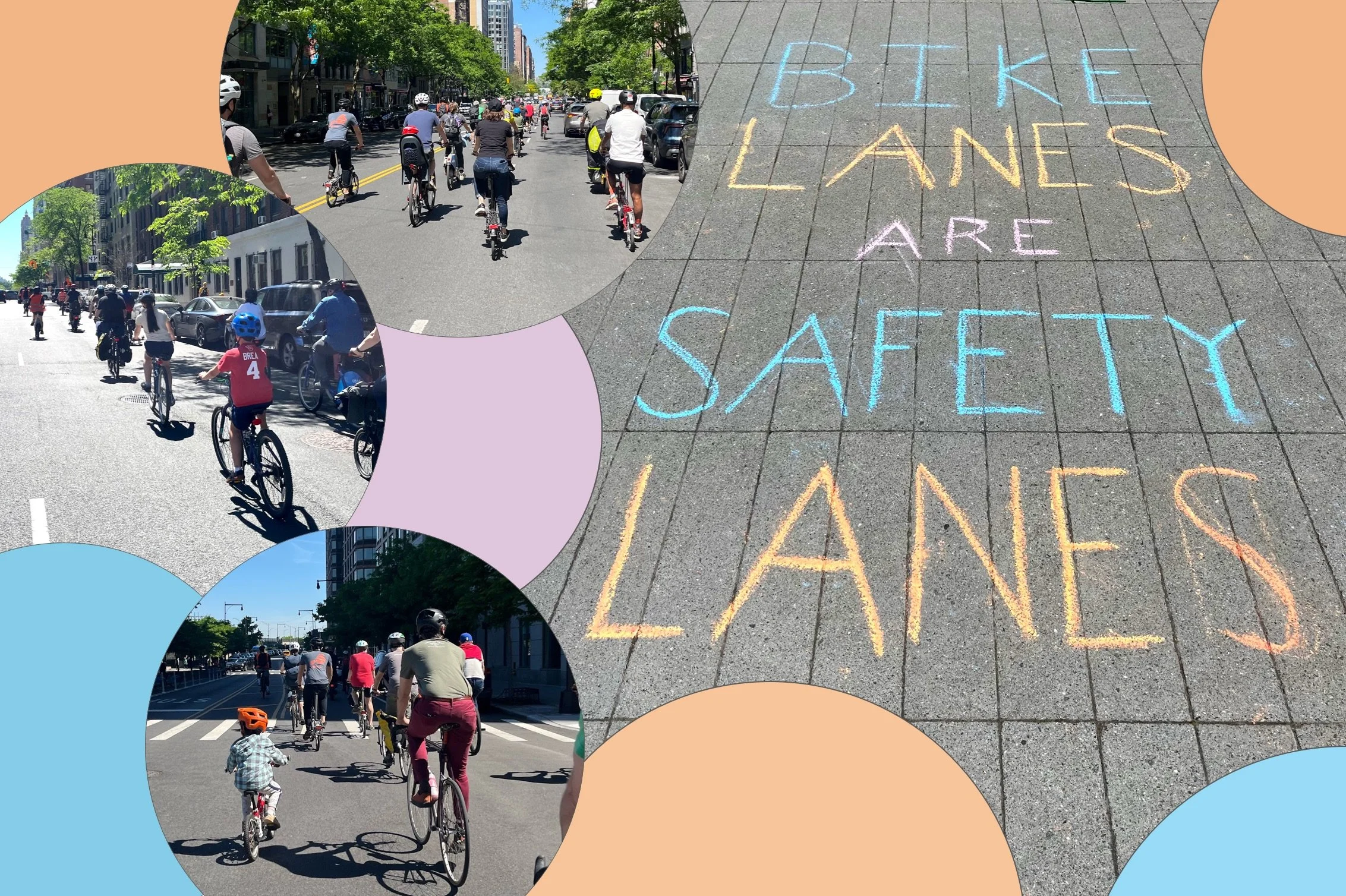
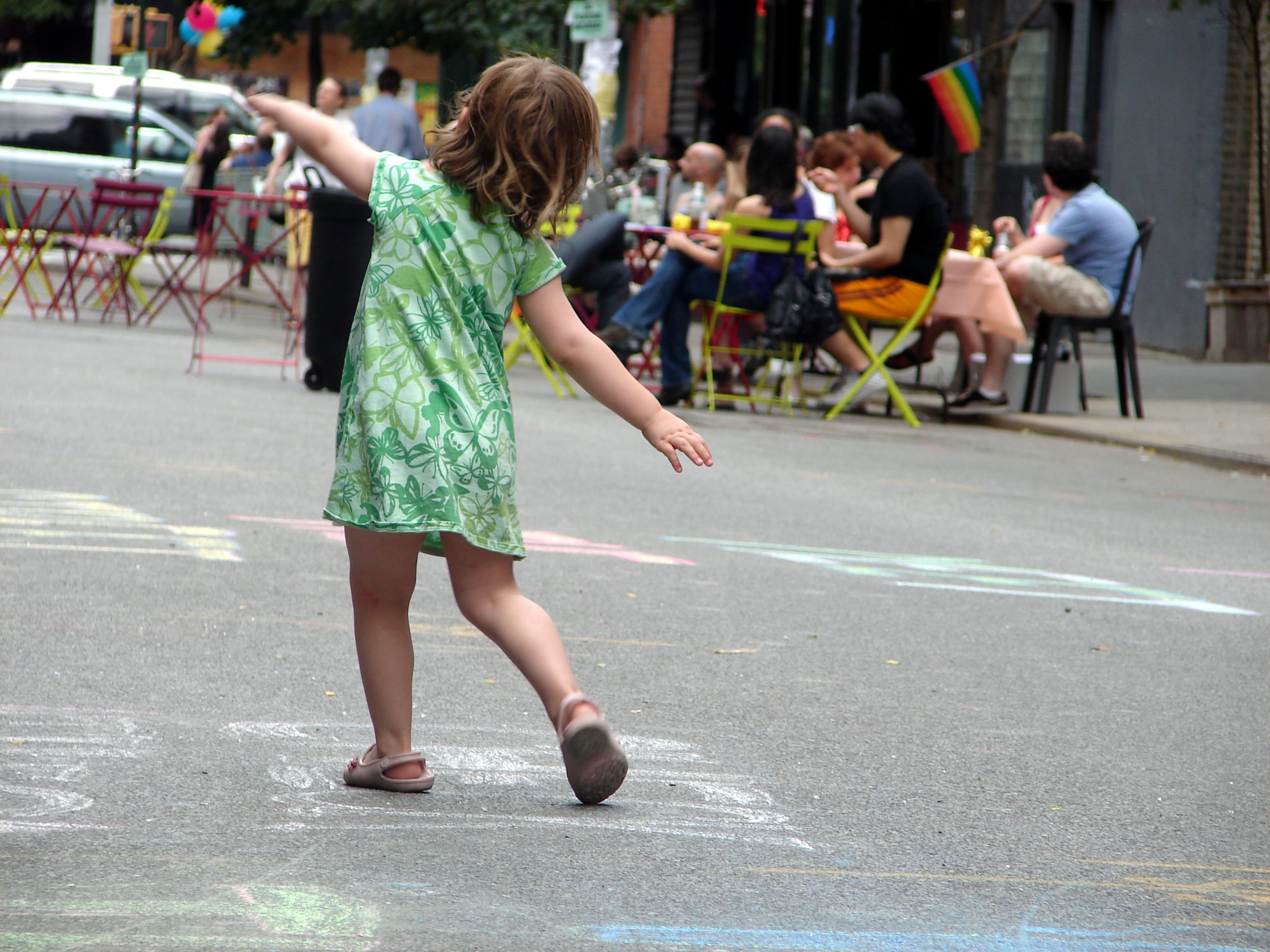
Streetopia brings a new generation of ideas to the Upper West Side of Manhattan
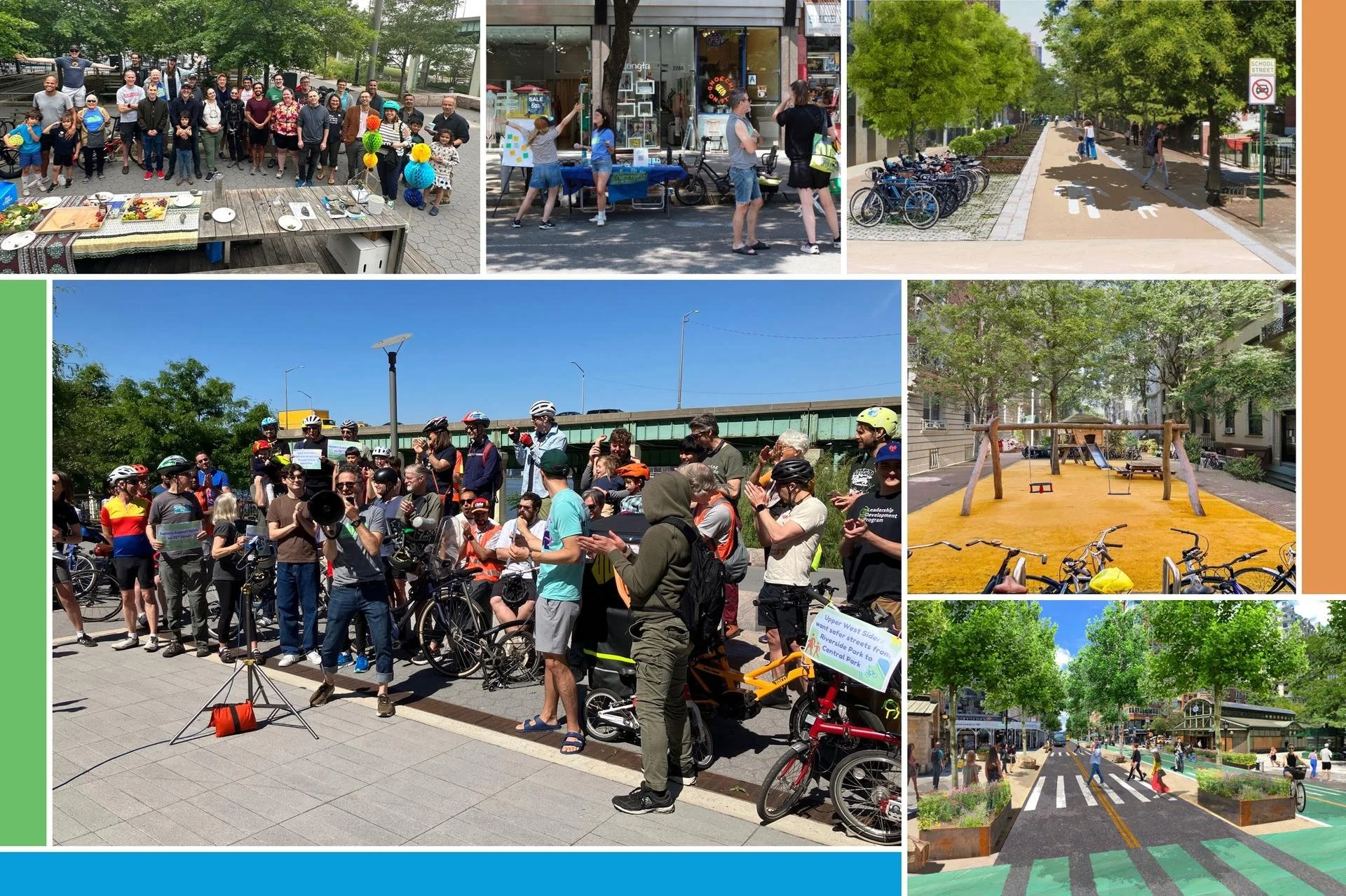
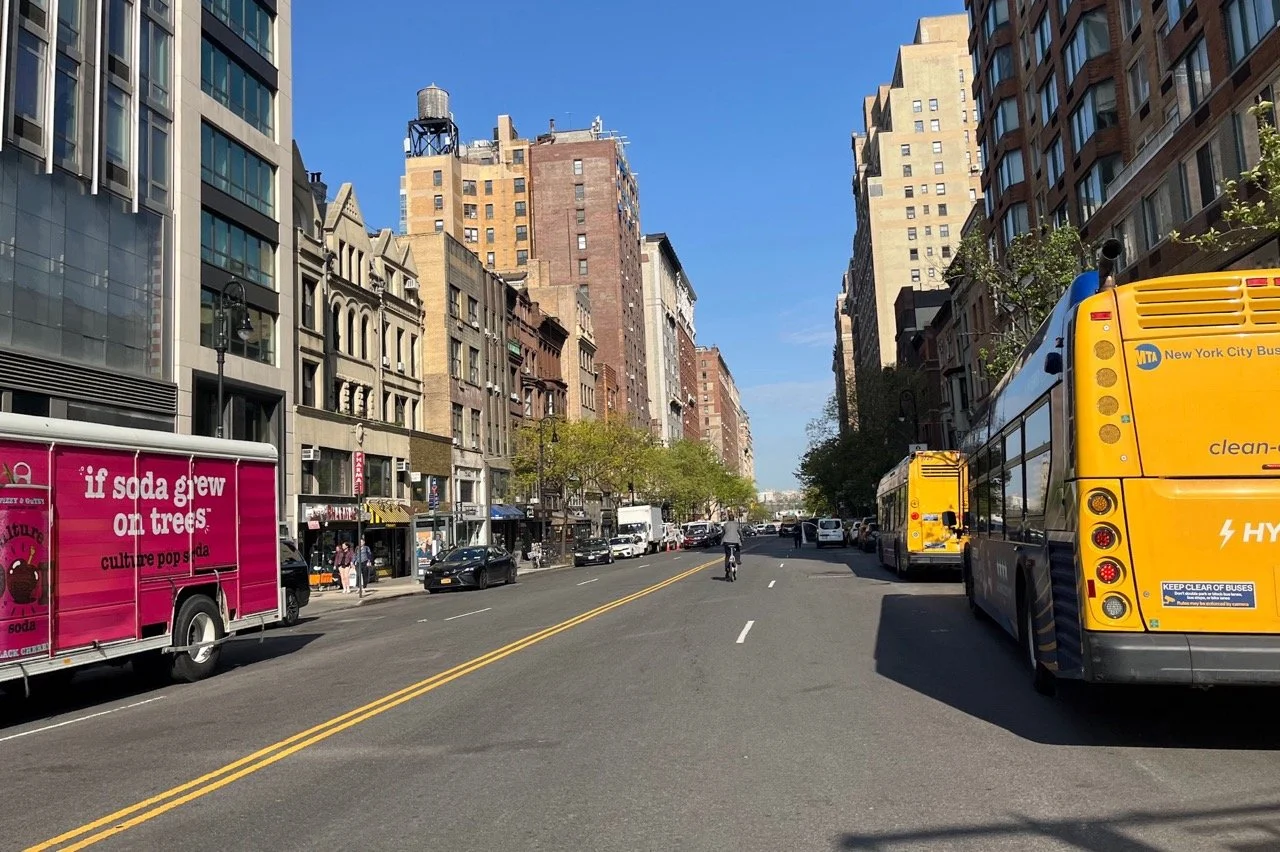
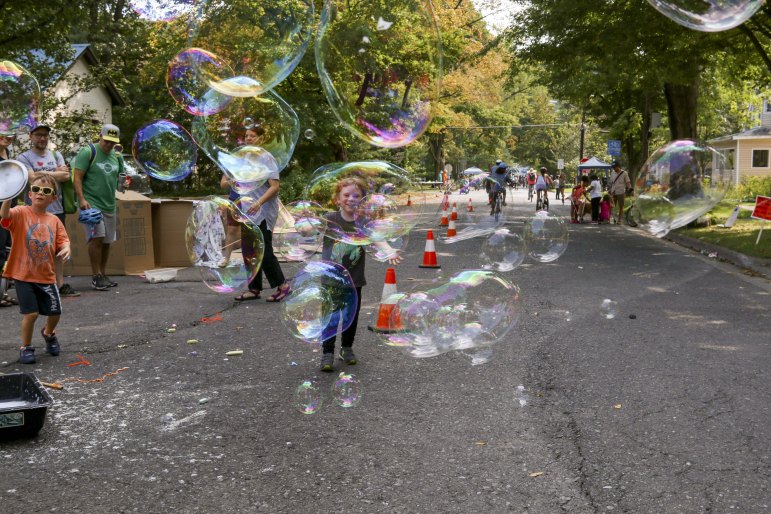
Even though most New Yorkers do not own a car, the vast majority of the open space in New York City is filled with parked cars and congested traffic. This use of public space does not reflect our values as a community and degrades quality of life for the majority for the sake of the minority who drive. Streetopia will redefine streets from a place for cars and trucks to a place for people and public life, highlighting the importance of places that allow relationships to grow, interactions to occur, and healthy outcomes to flourish.
We are re-envisioning what the word “neighborhood” really means and asking people to join together to create something inspiring.
The Latest
School Streets, Low Traffic Neighborhoods, a low-stress, door-to-door Bike Network… The time is now for these simple, transformative ideas to flourish on the Upper West Side. We’re hosting a social hour where supporters of walkable, bikeable, transit friendly urbanism on the Upper West Side can mix and mingle and compare notes for making these ideas a reality this year.
School Streets, Low Traffic Neighborhoods, and a Bike Network: these ideas could transform livability on the Upper West Side. Local elected officials don’t control the streets, but they can play a key role in the public’s support for change and help make sure local feedback is constructive and meaningful, not simply obstructionist. That’s why we need our Council Members to get excited about, and get behind, these transformative ideas.
Counting her two stints as District 6 Council Member and her time as Manhattan Borough President, Gale Brewer has represented the Upper West Side for 24 years and counting. In that nearly quarter century, she has been a progressive champion on many issues and amassed considerable political clout. Which makes her fixation on preserving free parking all the more disappointing.
Did you know three quarters of vehicle traffic on the Upper West Side is just passing through? These 360,000 daily vehicle miles aren't from neighbors shopping locally or taking kids to school—they're using our streets as highways. Low Traffic Neighborhoods could change this overnight, creating cleaner, quieter, safer streets while still allowing access to every block.
Many people don't know it, but the gold standard of New York City daylighting has been quietly keeping Upper West Siders safe for nearly sixty years on two blocks of West 94th Street. Like so many street improvements that infringe, even a little bit, on the car-dominant status quo, the changes only happened because of the tireless efforts of local residents in response to a preventable tragedy. It's noteworthy that the design is still there decades later and continues to work as intended.
A simple statement of fact occasionally feels like a revelation—particularly when it comes from an unlikely source. Take this, for instance:
“Recognizing the dual function of Central Park as both a recreational space and a key transportation route is vital to ensuring that any changes (to the Park) align with community needs and preferences.”